
The Maillard Reaction in Skillet Cooking
Skillet cooking has been a staple for decades, offering a convenient and efficient way to prepare meals. The Maillard reaction, a chemical reaction between amino acids and reducing sugars, plays a crucial role in the dev
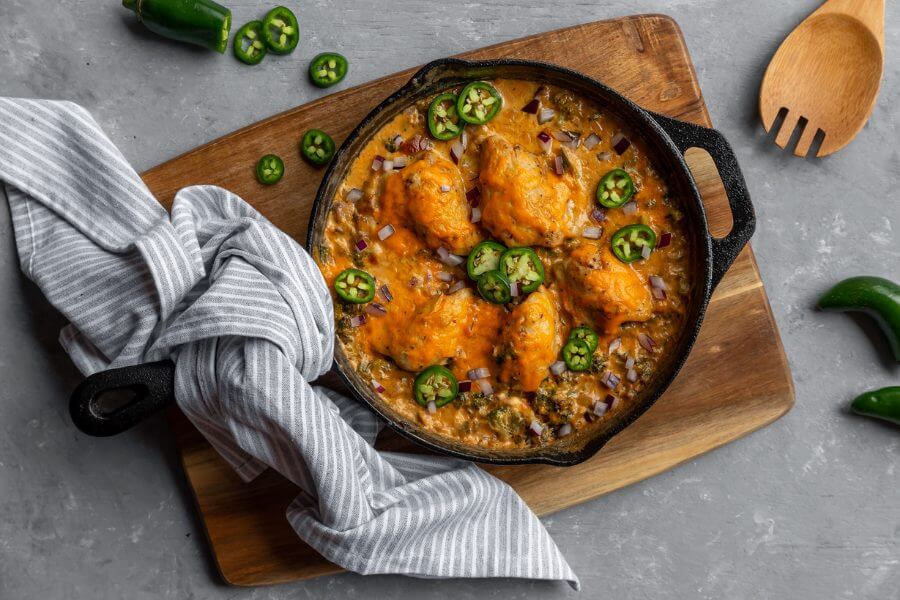
The Maillard reaction is a chemical reaction between amino acids and reducing sugars that occurs when food is cooked, resulting in the formation of new flavor compounds and browning. In skillet cooking, this reaction is particularly pronounced due to the high heat and rapid cooking time, which allows for the caramelization of natural sugars and the creation of a rich, savory flavor. This reaction is also responsible for the development of texture and crust on the surface of cooked foods, adding depth and complexity to the dish. The Maillard reaction is a fundamental aspect of skillet cooking, and its understanding can enhance the quality and flavor of cooked meals. In the context of skillet cooking, the Maillard reaction is particularly important, as it allows for the creation of a rich, savory flavor and the development of texture and crust on the surface of cooked foods. By understanding the Maillard reaction and its role in skillet cooking, cooks can better appreciate the complexity and depth of flavor that this cooking method can produce. Furthermore, the Maillard reaction can also be influenced by various factors, such as the type of cooking oil used, the temperature of the skillet, and the duration of cooking. By controlling these variables, cooks can optimize the Maillard reaction and achieve the desired level of flavor and texture in their skillet-cooked dishes. In conclusion, the Maillard reaction is a fundamental aspect of skillet cooking, and its understanding can enhance the quality and flavor of cooked meals. By understanding the role of the Maillard reaction in skillet cooking, cooks can better appreciate the complexity and depth of flavor that this cooking method can produce.