
Glucose-responsive probiotics for glycaemic modulation in mice and monkeys
Engineered probiotics equipped with a synthetic glucose-responsive circuit transiently colonize the gut and secrete therapeutic factors when glucose levels increase, enabling safe, oral, sense-and-respond control of diab
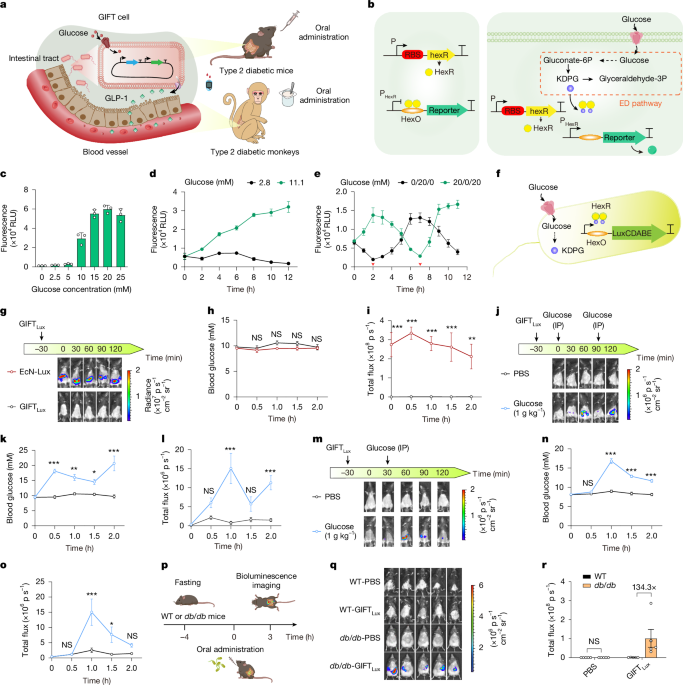
Engineered probiotics equipped with a synthetic glucose-responsive circuit transiently colonize the gut and secrete therapeutic factors when glucose levels increase, enabling safe, oral, sense-and-respond control of diabetes in mouse and primate models. This approach leverages the natural fluctuations in glucose levels that occur during the day, allowing for a more physiological and sustainable management of diabetes. The use of probiotics as a therapeutic agent is an area of active research, with several studies demonstrating their potential in modulating the gut microbiome and improving metabolic health. In this study, the glucose-responsive probiotics were designed to respond to changes in glucose levels, thereby enabling a more targeted and effective approach to glycaemic modulation. The results of this study provide valuable insights into the potential of this approach and highlight the need for further research to fully understand its mechanisms and efficacy. The engineered probiotics were found to transiently colonize the gut and secrete therapeutic factors when glucose levels increased, demonstrating a clear link between glucose levels and the secretion of these factors. This study demonstrates the potential of glucose-responsive probiotics as a novel therapeutic approach for the management of diabetes, and highlights the importance of continued research in this area. The use of this approach in humans would require further investigation to ensure its safety and efficacy. Research-use only. This study was conducted in mouse and primate models, and the results should not be interpreted as predictive of human outcomes.