
Glucose-responsive probiotics for glycaemic modulation in mice and monkeys
Engineered probiotics equipped with a synthetic glucose-responsive circuit transiently colonize the gut and secrete therapeutic factors when glucose levels increase, enabling safe, oral, sense-and-respond control of diab
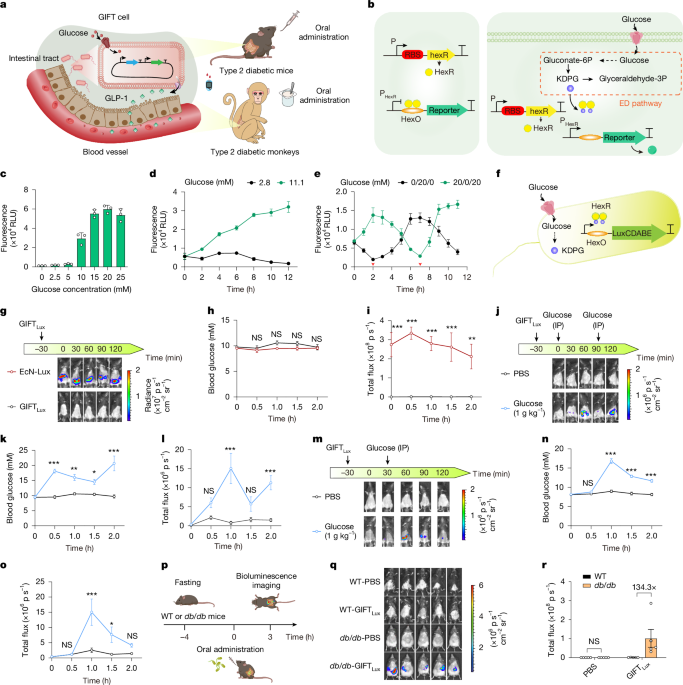
The development of novel therapeutic strategies for diabetes management has been an active area of research. Recent studies have focused on the use of engineered probiotics as a potential tool for glycaemic modulation. In this context, researchers have designed probiotics equipped with a synthetic glucose-responsive circuit that can transiently colonize the gut and secrete therapeutic factors when glucose levels increase. This approach enables safe, oral, sense-and-respond control of diabetes in mouse and primate models. The use of engineered probiotics for diabetes treatment has several advantages over traditional therapies, including reduced side effects and improved efficacy. Furthermore, this approach may provide a novel solution for the management of diabetes, particularly in cases where traditional treatments are not effective. However, further research is needed to fully understand the potential benefits and risks of using engineered probiotics for glycaemic modulation. In addition, the translation of these findings to humans will require careful consideration of safety and efficacy. The use of RUO laboratory peptides should only be conducted under the guidance of a qualified researcher or scientist, as they are intended for research-use-only purposes only. This study highlights the potential of engineered probiotics for diabetes treatment and underscores the need for further investigation into their safety and efficacy in humans.