
How the discovery of mammalian regeneration shapes translational efforts
This Journal Club highlights the landmark study that provided the first evidence of regeneration in mammals, demonstrating that neonatal mice can regenerate damaged hearts and influencing regenerative medicine until today.
Thank you for visiting nature.com. You are using a browser version with limited support for CSS. To obtain the best experience, we recommend you use a more up to date browser (or turn off compatibility mode in Internet Explorer). In the meantime, to ensure continued support, we are displaying the site without styles and JavaScript.
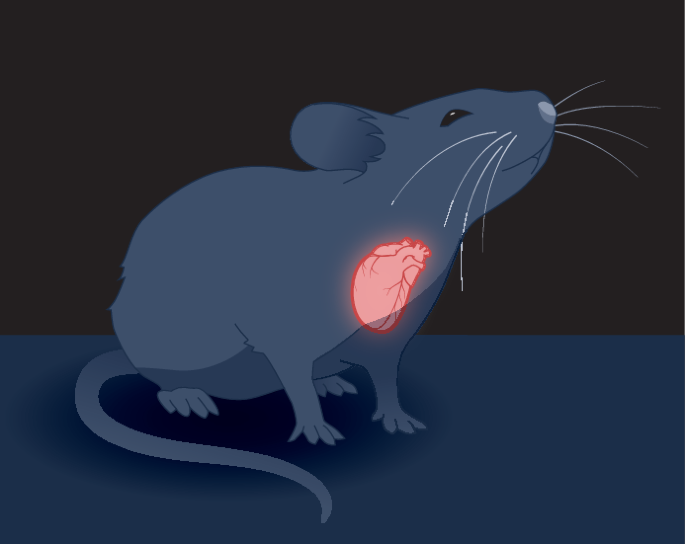
Regeneration restores the original organ functions impaired by injury, disease and ageing. Unlike zebrafish and axolotls, which maintain robust regenerative potential throughout both development and adulthood, mammals were long believed to lack the ability to regenerate organs such as the heart and spinal cord. A landmark study in 2011 from the groups of Hesham Sadek and Eric Olson demonstrated that 1-day-old neonatal mice successfully regenerate damaged hearts after partial surgical resection, highlighting that mammals are not devoid of regenerative potential at birth.
The implications of this work stretch far beyond uncovering mechanistic underpinnings of neonatal cardiac regeneration, as these findings also hold translational promise for regeneration-deficient adult human hearts. Furthermore, they have redefined our understanding of mammalian regenerative potential and marked a critical turning point: intrinsic regenerative potential, which is switched off in later developmental stages, is indeed encoded within the mammalian genome — at least for cardiac tissues. This idea shapes our research on the evolution of regenerative capacities and is the basis for research efforts aimed at reactivating regeneration in non-regenerating mammals. These and many related fundamental studies are likely to push the frontiers of regenerative biology, paving the way to develop safe and reliable strategies for switching on dormant regenerative potential in adult mammalian tissues.