
Menopause and Mental Health: The Impact of Hormonal Changes on Brain Function
Menopause affects approximately 40% of women, leading to increased irritability, mood swings, anxiety, fatigue, and trouble concentrating. During this stage of life, women are particularly vulnerable to developing depres
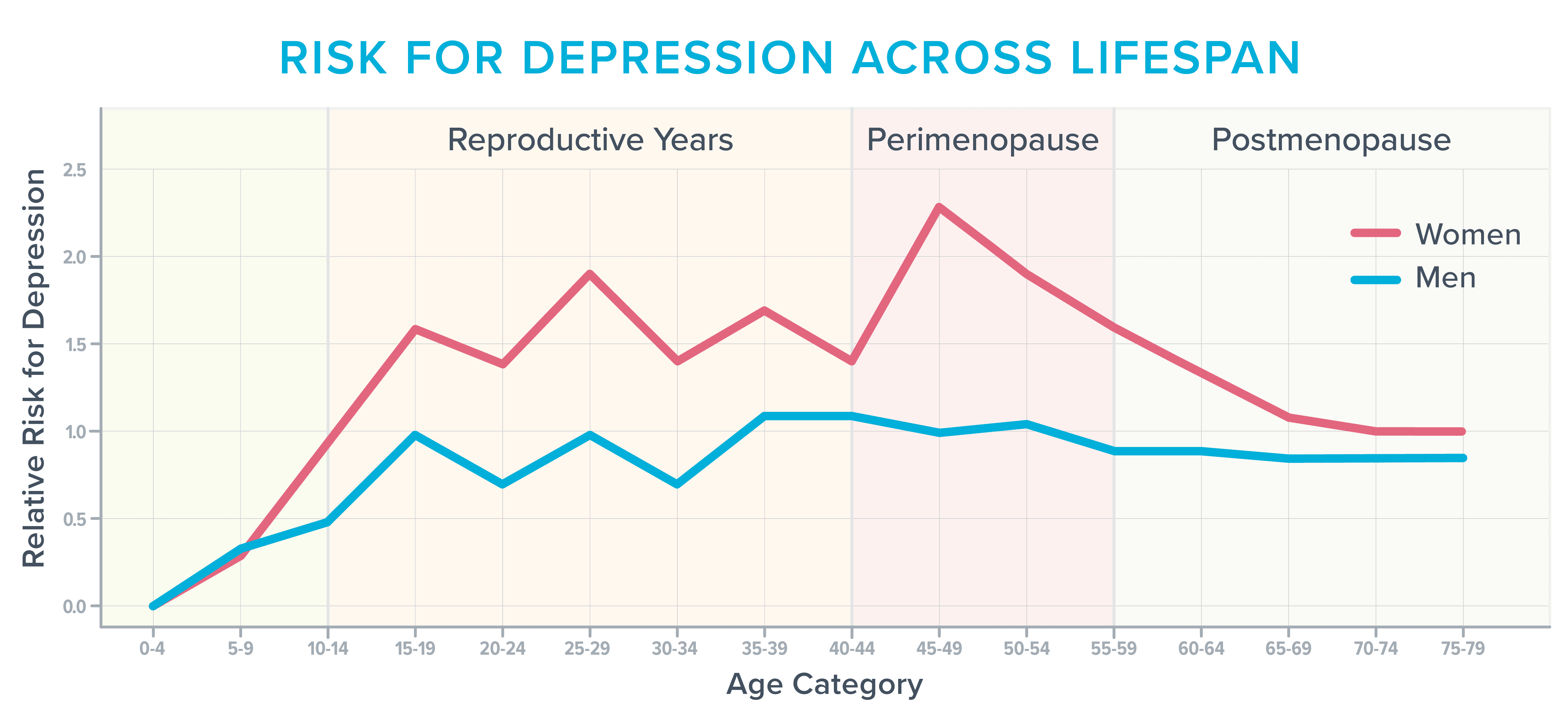
Menopause is a natural life stage characterized by hormonal fluctuations and transitional moments. As women approach menopause, hormone levels fall, triggering various symptoms. Research suggests that menopause is linked to increased irritability, mood swings, anxiety, fatigue, and trouble concentrating in approximately 40% of women. This phenomenon is particularly pronounced in women with a history of depression, who are more vulnerable to its onset during this stage of life. The exact mechanisms behind these cognitive and emotional symptoms are not fully understood, but fluctuations in hormone levels and typical age-related changes in the brain are thought to play a role. While some women may experience mild symptoms, others may find themselves struggling to cope with everyday situations, as evident in the experience of the author, who sought medical advice and tried various treatments before discovering the link between menopause and mental health. Understanding the impact of menopause on brain function can help healthcare professionals provide more effective treatment options and support for women during this transition. Further research is needed to elucidate the underlying mechanisms and develop targeted interventions to address these symptoms.