
More muscle, less belly fat: mutations to a gene are linked to wide-ranging benefits
Analysis of one million diverse genomes yields mutations associated with lower risk of diabetes, heart disease and other ’cardiometabolic’ conditions.
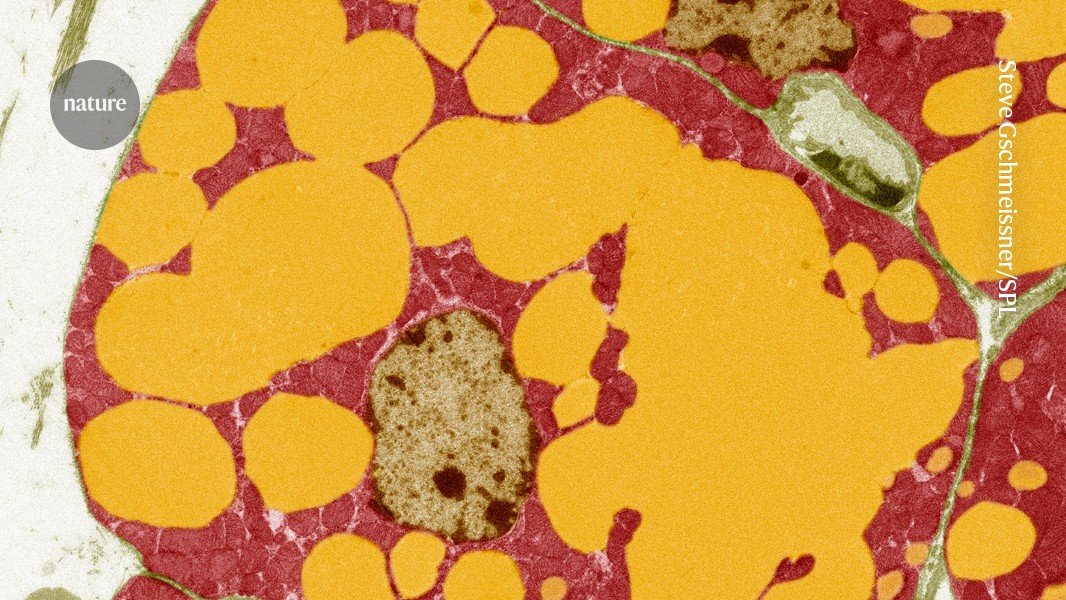
A recent study published in the journal Nature has made a significant discovery regarding the relationship between genetic mutations and cardiometabolic health. By analyzing the genomes of over one million individuals, researchers were able to identify specific mutations that are associated with a lower risk of developing diabetes, heart disease, and other related conditions. These findings have important implications for our understanding of the underlying mechanisms driving these diseases and may lead to the development of new therapeutic strategies.
The study's authors used advanced computational techniques to compare the genetic profiles of individuals with and without cardiometabolic disorders. They found that certain mutations in a specific gene were more common among those with lower risk of developing these conditions. Further analysis revealed that these mutations were associated with increased muscle mass and decreased body fat, particularly around the abdominal area.
The researchers suggest that the identified mutations may play a role in regulating muscle growth and metabolism, leading to improved insulin sensitivity and reduced inflammation. This could have significant benefits for individuals at risk of developing cardiometabolic diseases.
While the study's findings are promising, it is essential to note that they should not be taken as evidence for any specific treatment or intervention. The results are based on a large-scale analysis of genetic data and require further validation in clinical trials before they can be translated into practical applications.
In summary, this study highlights the complex interplay between genetics, muscle mass, and cardiometabolic health. Further research is needed to fully understand the mechanisms underlying these relationships and to explore potential therapeutic strategies for preventing or treating cardiometabolic diseases. As with any research-use-only laboratory peptide supplier, it is crucial to consult with a qualified healthcare professional before using any peptides or other compounds in a clinical setting.