
Physical activity delays ovarian aging in part through adiponectin-related signaling pathways
Physical activity has geroprotective properties, yet its role in ovarian aging is incompletely understood. Here, a cross-sectional analysis of human cohorts links lower physical activity with menopause, while in mice, ex
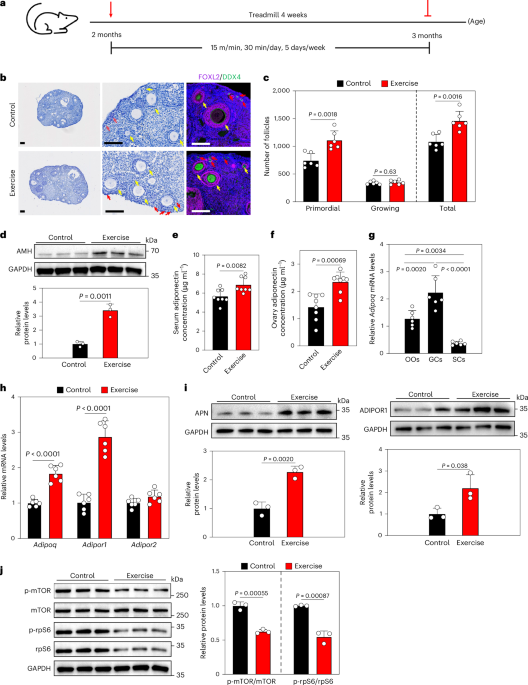
Physical activity has been widely recognized for its geroprotective properties, with various studies demonstrating its benefits in delaying age-related diseases. However, the role of physical activity in ovarian aging remains poorly understood. Recent research has shed some light on this topic, revealing a complex interplay between physical activity, adiponectin, and ovarian function. In human cohorts, lower levels of physical activity have been linked to an earlier menopause, suggesting a potential protective effect of physical activity on ovarian aging. In contrast, studies in mice have shown that exercise can delay ovarian aging, at least in part by increasing adiponectin levels. Furthermore, an adiponectin receptor agonist has been shown to reproduce these protective effects, highlighting the importance of adiponectin signaling pathways in mediating the anti-aging effects of physical activity. These findings suggest that physical activity may play a crucial role in delaying ovarian aging, and that adiponectin-related signaling pathways may be a key mechanism underlying this effect. However, further research is needed to fully elucidate the mechanisms underlying this relationship and to explore potential therapeutic applications of adiponectin-related interventions. For research use only, this study highlights the potential benefits of physical activity in delaying ovarian aging, and underscores the importance of considering adiponectin-related signaling pathways in the development of novel therapeutic strategies. Due to the research-use-only nature of this study, the results should not be used for clinical applications or to make any therapeutic claims without further validation and approval from relevant regulatory authorities.