
Structurally defining neurokinin selectivity to improve NK2R agonists
The researchers used cryo-electron microscopy to map how synthetic agonists bind to the neurokinin 2 receptor to reveal the features that make them selective. These studies are a key step toward developing future obesity
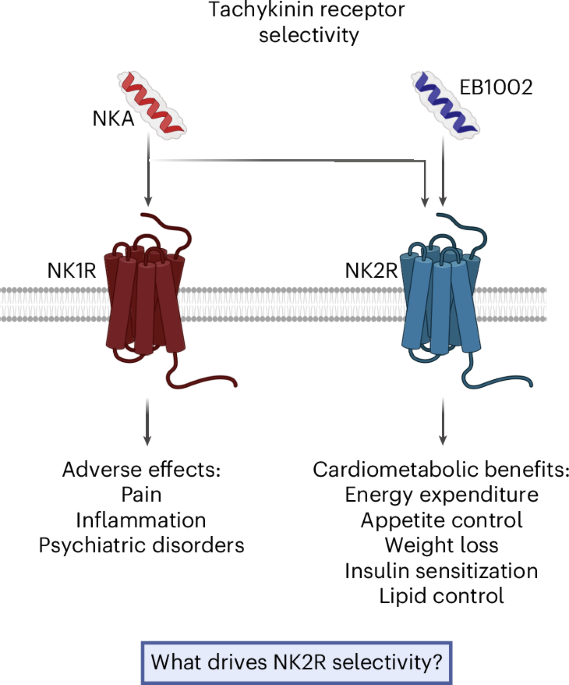
Recent advances in structural biology have enabled researchers to elucidate the binding modes of synthetic agonists to the neurokinin 2 receptor (NK2R). Cryo-electron microscopy has been employed to map the conformational changes induced by these compounds upon binding, providing valuable insights into the molecular features that govern their selectivity. This knowledge is crucial for the development of novel obesity therapies that enhance energy expenditure. By understanding how synthetic agonists interact with NK2R, researchers can design more selective and potent ligands, which may ultimately lead to improved therapeutic outcomes. The structural definition of neurokinin selectivity has significant implications for the treatment of obesity-related disorders, as it enables the identification of novel binding sites and molecular interactions that can be targeted by future therapies. Furthermore, this research highlights the importance of cryo-electron microscopy in elucidating the complex mechanisms underlying receptor-ligand interactions. The findings of this study contribute to the growing body of knowledge on NK2R agonists and their potential applications in obesity therapy.