
Switching off the FNIP1 gene protects against metabolic disease
People with ultra-rare variants of the FNIP1 gene have a favourable metabolic profile.
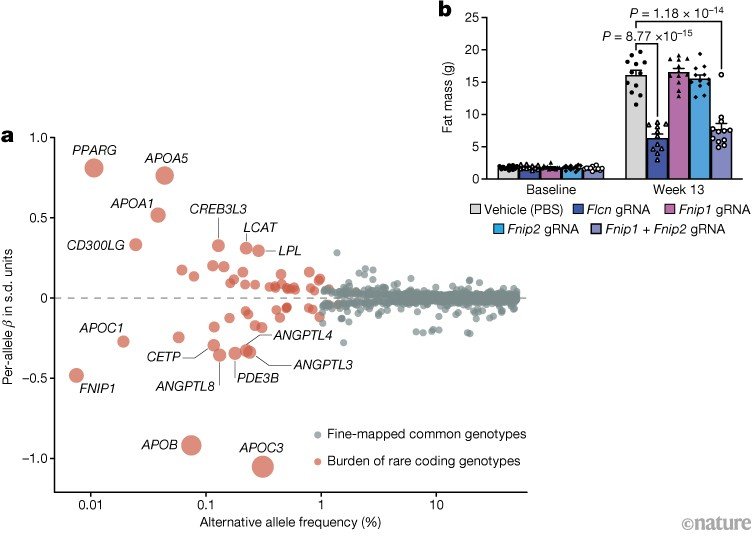
Research has identified a link between the FNIP1 gene and metabolic health. Individuals carrying ultra-rare variants of this gene have been found to possess a more favourable metabolic profile compared to those without such variants. This observation has sparked interest in the potential therapeutic applications of FNIP1 gene silencing or inhibition. Studies have shown that the FNIP1 gene plays a crucial role in regulating glucose and lipid metabolism, and its dysregulation is associated with various metabolic disorders. By modulating the expression of FNIP1, researchers aim to develop novel therapeutic strategies for the treatment of metabolic diseases. However, it is essential to note that the current understanding of FNIP1's role in metabolism is based on observational studies and requires further validation through rigorous scientific investigation. As such, any potential therapeutic applications of FNIP1 gene silencing or inhibition should be approached with caution and in accordance with established research protocols. For research-use only, laboratory peptides derived from the FNIP1 gene are available for investigation purposes. It is crucial to consult with a qualified scientific expert and adhere to all relevant regulations and guidelines before initiating any research or therapeutic interventions. Further research is necessary to fully elucidate the mechanisms underlying FNIP1's role in metabolism and to explore its potential as a therapeutic target.