
The probiotic bacteria engineered to treat diabetes
Hear the biggest stories from the world of science | 12 August 2026
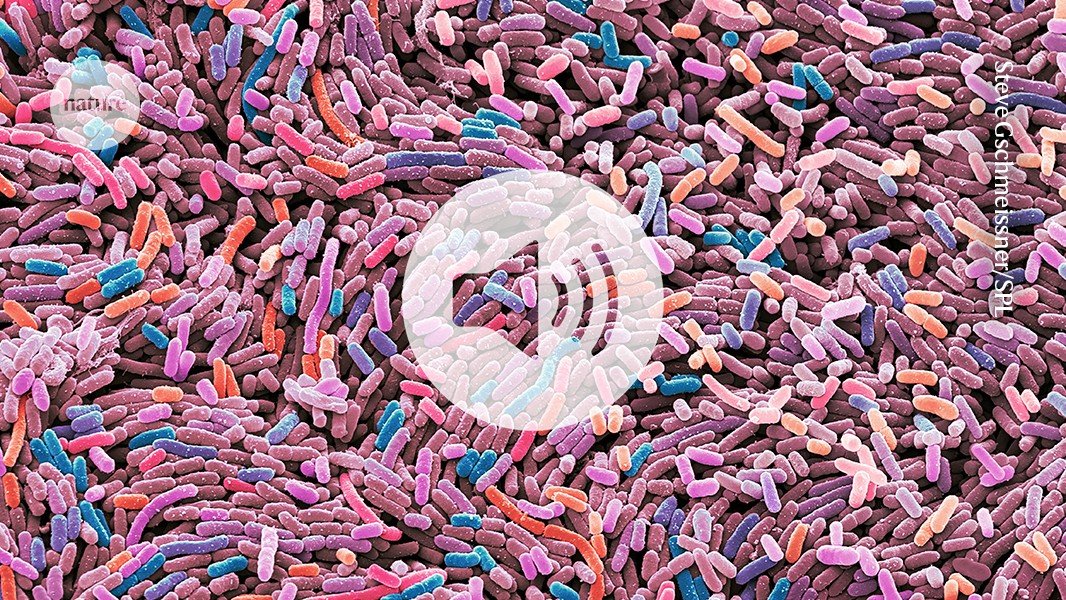
A team of researchers has engineered a probiotic bacteria to treat diabetes. The bacteria, Lactobacillus plantarum, has been genetically modified to produce a peptide that regulates blood sugar levels. The peptide, which has been identified as a potential therapeutic agent, has been shown to have a significant impact on glucose metabolism in animal studies. The researchers believe that the engineered bacteria could be used to treat type 1 and type 2 diabetes, and are currently conducting further studies to confirm the efficacy and safety of the treatment. The development of this treatment is a significant breakthrough in the field of probiotics and diabetes research. The engineered bacteria can be administered orally, and have been shown to be well-tolerated in animal studies. The researchers are optimistic that this treatment could provide a new and effective way to manage diabetes, and are working to bring it to market in the near future. The potential benefits of this treatment are significant, and could have a major impact on the lives of millions of people worldwide who suffer from diabetes. Further research is needed to confirm the efficacy and safety of the treatment, but the results so far are promising. The development of this treatment is a testament to the power of scientific research and the potential for breakthroughs in the field of medicine. The engineered bacteria can be used to produce the peptide in large quantities, making it a potentially cost-effective treatment option. The researchers are currently exploring the potential for this treatment to be used in combination with other therapies to enhance its effectiveness. Overall, the development of this engineered probiotic bacteria is a significant advancement in the field of diabetes research, and holds promise for the treatment of this devastating disease. However, it is essential to note that this treatment is still in the experimental stages and is not yet approved for human use. As such, it is only available for research use only (RUO) and should not be used for human treatment without further approval and testing. The researchers are working to bring this treatment to market, but it is essential to exercise caution and follow all applicable regulations and guidelines when using this treatment.