
TNFR1 signaling connects inflammation to impaired fatty acid oxidation to drive intestinal stem cell aging
Wang et al. identify TNFR1 signaling as a key link between inflammation and intestinal stem cell aging. This aging phenotype is transferable from old to young mice via shared circulation, suggesting systemic inflammation
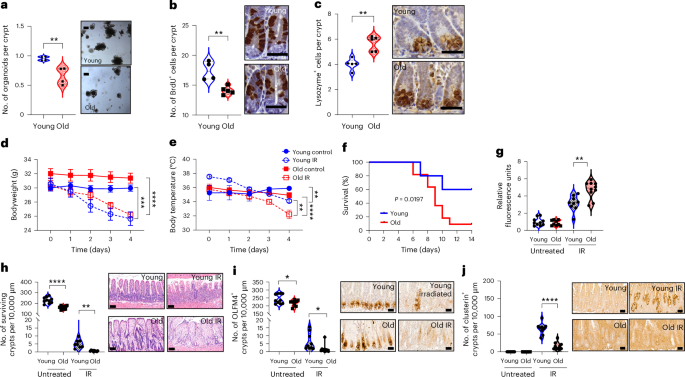
TNFR1 signaling has been implicated in various physiological and pathological processes, including inflammation and metabolic regulation. In the context of intestinal homeostasis, Wang et al. have made significant contributions to our understanding of the complex relationships between TNFR1 signaling, inflammation, and cellular aging. Their research reveals that TNFR1 signaling plays a critical role in connecting inflammation to impaired fatty acid oxidation, which in turn drives intestinal stem cell aging. This finding has important implications for the development of novel therapeutic strategies aimed at mitigating intestinal dysfunction and promoting healthy aging. The transferability of this aging phenotype from old to young mice via shared circulation further supports the notion that systemic inflammation is a key driver of this process. As such, targeting TNFR1 signaling may offer a promising approach to improving intestinal health and preventing age-related decline in stem cell function. However, it is essential to note that these findings are based on research using RUO laboratory peptides for research use only (RUO) and should not be interpreted as indicative of efficacy or safety in humans. Further studies are necessary to fully elucidate the mechanisms underlying this phenomenon and to translate these findings into effective therapeutic interventions.