
Untitled
Marine endophytic fungi have arisen as a prospective source of bioactive secondary metabolites with potential cosmeceutical and pharmaceutical applications. In this study, four endophytic fungal isolates were obtained from Egyptian marine algae Colpomenia sinuosa. Preliminary screening for antibacterial activity against Staphylococcus epidermidis indicated that the isolate EF2 was the most active,
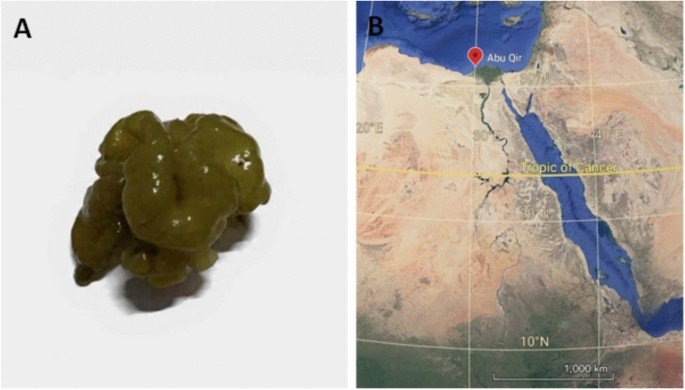
Marine endophytic fungi have arisen as a prospective source of bioactive secondary metabolites with potential cosmeceutical and pharmaceutical applications. In this study, four endophytic fungal isolates were obtained from Egyptian marine algae Colpomenia sinuosa. Preliminary screening for antibacterial activity against Staphylococcus epidermidis indicated that the isolate EF2 was the most active, exhibiting an inhibition percentage of 40.67%, and therefore was selected for optimization by the Plackett–Burman experiment and response surface methodology. This optimization significantly improved the inhibitory activity from 40.67% to 94.4%. The optimized crude extract of isolate EF2 exhibited strong antioxidant activity with the DPPH assay and significant anti-inflammatory activity by cyclooxygenase-2 (COX-2) enzyme inhibition. Furthermore, it demonstrated pronounced tyrosinase inhibitory activity, suggesting its potential role in melanin biosynthesis regulation. The isolate was molecularly identified as Mucor circinelloides AUMC 16435 with accession number PP837661. Cytotoxicity assessment revealed selective activity against carcinoma cells with relatively low toxicity toward normal fibroblasts, indicating a favorable safety profile. GC–MS analysis of EF2 isolate crude extract (Mucor circinelloides AUMC 16435) demonstrated several bioactive constituents, with 3-methoxy-2, 4, 6-trimethyl-cyclohex-2-enone and 2-fluoro-3-trifluoromethylbenzoicacid-3-hexadecyl ester as the predominant compounds. Molecular docking studies further confirmed favorable binding interactions of the compounds within the tyrosinase active site, with energies of binding -6.1 and -5.9 kcal/mol, respectively. Overall, this study reports the first isolation of M. circinelloides from Egyptian C. sinuosa and highlights its potential as a promising source of bioactive metabolites with enhanced antibacterial activity and multifunctional properties suitable for pharmaceutical and dermocosmetic applications.